
The evolution of casinos tracing the history of gaming establishments
The Origins of Gambling
The concept of gambling dates back to ancient civilizations, where games of chance emerged as a form of entertainment and social interaction. The earliest evidence can be traced to China around 2300 BC, where rudimentary games using dice were popular. Similarly, ancient Egypt and Rome featured gambling activities, with a focus on betting for entertainment during various festivities. Today, you can find expert reviews that help you identify the best bitcoin sportsbook, making it easier to enjoy this age-old pastime securely.
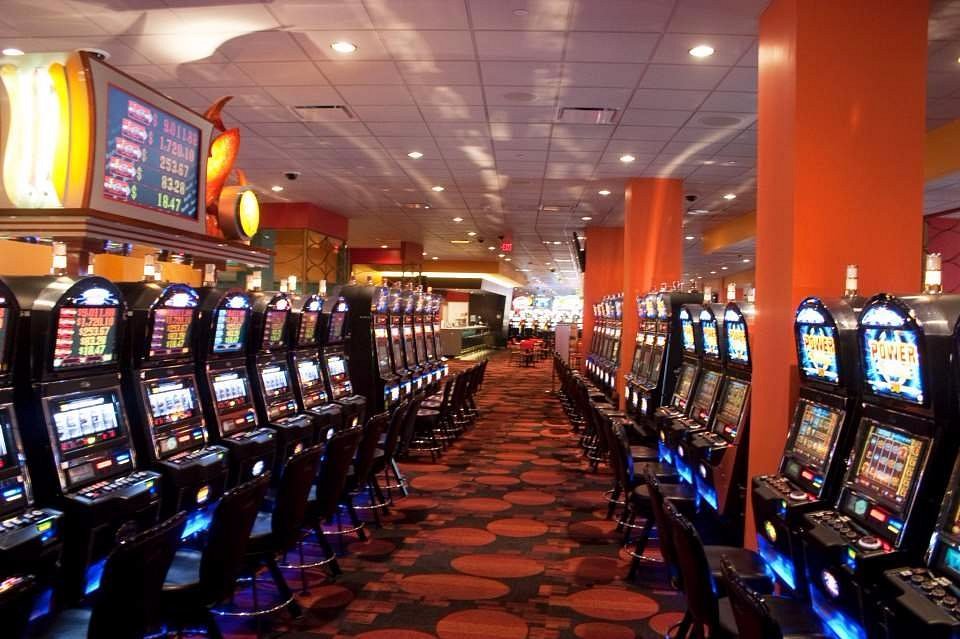
As time progressed, gambling practices evolved, leading to the establishment of more organized forms of betting. In medieval Europe, games such as dice and card playing became popular among the nobility. This period marked a significant shift, as gambling began to be seen not just as a pastime, but as a potential source of income and wealth for many individuals.
The Birth of Modern Casinos
The modern casino as we know it began to take shape in the 17th century in Italy, particularly with the opening of the Ridotto in Venice in 1638. This establishment allowed patrons to gamble in a controlled environment, paving the way for future gaming houses. By the 19th century, casinos proliferated across Europe, becoming symbols of luxury and leisure.
The rise of casinos in Europe led to a significant shift in gambling culture, as these venues began to offer a variety of games, including roulette, blackjack, and baccarat. The allure of these establishments attracted the elite, who sought both entertainment and the thrill of gambling, laying the foundation for the sophisticated gaming industry we see today.
Expansion and Legalization in the United States
The 20th century marked a turning point for casinos in the United States. The legalization of gambling in Nevada in 1931 was a pivotal moment, establishing Las Vegas as the entertainment capital of the world. The influx of tourists seeking excitement transformed the gambling landscape, as casinos began to offer lavish accommodations, fine dining, and extravagant shows.
This expansion was not limited to Las Vegas. Other states began to recognize the potential economic benefits of legalized gambling, leading to the establishment of casinos in Atlantic City and later, in tribal lands across the country. This growth not only diversified the gaming options available but also created jobs and stimulated local economies.
Technological Innovations and Online Gaming
The advent of technology in the late 20th and early 21st centuries revolutionized the casino industry. The introduction of electronic gaming machines and video slots transformed the gaming experience, making it more accessible and appealing to a wider audience. Innovations in gaming technology paved the way for online casinos, allowing players to enjoy their favorite games from the comfort of their homes.
As online gaming gained popularity, it introduced new dynamics in the gambling sector. Cryptocurrency has further enhanced this evolution, allowing for secure and anonymous transactions. This shift has attracted a younger demographic, signaling a significant change in the casino landscape and how players engage with gaming establishments.

Exploring Future Trends in Casinos
As the casino industry continues to evolve, future trends suggest a blend of technology and personalized experiences. With the integration of virtual reality and augmented reality, gaming establishments are likely to offer immersive environments that transcend traditional gambling. This fusion of technology and entertainment may redefine how patrons experience casinos.
Moreover, the focus on responsible gaming and enhanced security measures will play a crucial role in shaping the future of casinos. Establishments will increasingly prioritize player safety and well-being, ensuring a balanced approach to gambling. The ongoing evolution reflects not only changes in technology but also shifts in societal attitudes towards gaming.